


A court that feels different, and it is
Kansas City Veterans Court gives former service members a second path after legal trouble. It focuses on healing, not just punishment. Many veterans carry stress from service. Some deal with trauma, substance use, or hard life shifts after return. That can lead to court cases they never planned for. Here’s the key idea. This court tries to fix what sits under the surface, not just the charge. It connects closely with Kansas City Specialty Courts, which focus on treatment and support over strict punishment alone. That approach changes how justice feels for many people.
So what is Veterans Court really?
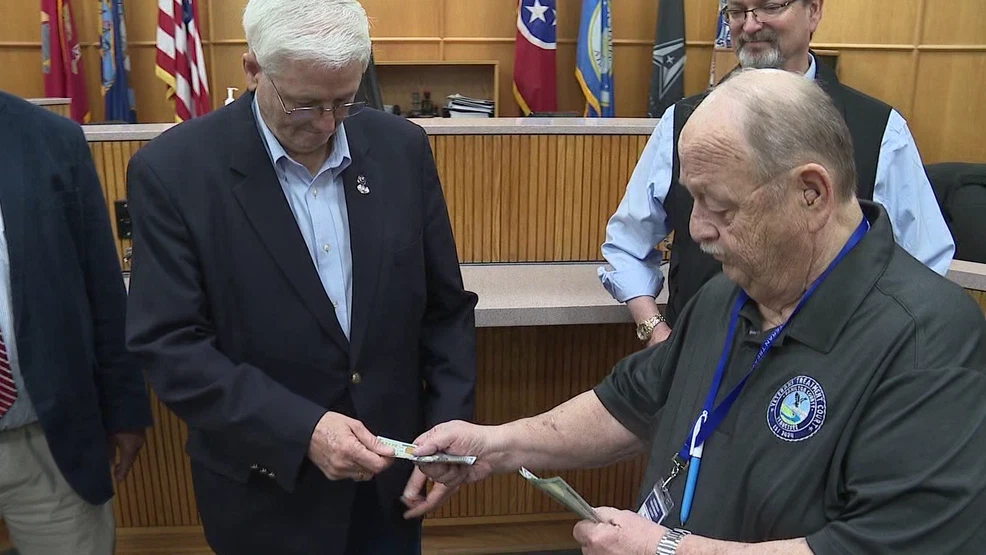
Kansas City Veterans Court is a problem-solving court. It works with eligible veterans facing non-violent charges. Instead of sending people straight through standard court steps, judges, mentors, and treatment teams work together. They build a plan for change. That plan may include counseling, rehab programs, or housing help. Occasionally, it also includes medical treatment or job assistance. You know what stands out? It treats the person, not just the case file. The objective is straightforward. Help veterans stay out of the system for good.
How the process usually works
The process starts when a veteran is referred or applies. Then a team reviews the case. If accepted, the veteran enters a structured program. It runs under court supervision, with regular check-ins. There are steps like:
- Scheduled court reviews
- Treatment sessions
- Drug or alcohol testing when needed
- Mentorship from other veterans
The judge is not just a decision-maker here. The judge also provides direction and assesses progress. There could be repercussions if you miss a step. As you stay on course, support grows. It is fair but firm.
The importance of specialist courts in Kansas City
Root causes are the emphasis of Kansas City Specialty Courts. This covers issues relating to trauma, addiction, and mental health. Their goal is to halt the cycle of incarceration. For veterans, that is really important. After service, many have invisible wounds. Some people have trouble falling asleep. Some people struggle with anger or anxiousness. Others who have left the military institution feel disoriented. Once more, specialty courts provide structure, but this time with assistance. People can reestablish routines with the aid of that equilibrium. Soft justice is not what it is. It is accountable, guided justice.
The role of Beyond the Bench KC
In Kansas City, Missouri, Beyond the Bench KC operates. They promote knowledge of specialty court systems. They are obviously focused. They advance knowledge of programs for rehabilitative justice. Beyond the Bench KC feels that justice ought to deal with the underlying causes of behavior. This involves living conditions that are unstable, addiction, and trauma. They also assist in tying court objectives to community support. More than most people realize, that connection is important. A veteran might have a plan after they leave court. However, community backing makes that strategy more likely to succeed. Beyond the Bench KC assists in closing that disparity.
Veterans may experience changes in their lives
Veterans Court is not a quick fix. It requires diligence and integrity. However, a lot of people report significant changes over time. Typical results include:
- After months of uncertainty, stable housing
- Improved management of substance usage
- Reestablished familial relationships
- New training or abilities for the job
- More robust daily schedules
It’s not always easy. Progress can stagnate on certain days when you feel burdened. However, continuous progress is still important. Here, even a tiny victory, like showing up for every session in a week, counts. Those victories add up.
A more compassionate approach
Conventional legal systems can seem aloof. Veterans Court has a more intimate vibe. More people are speaking. Checking in again. Further investigation. A judge may inquire about the quality of your sleep. or how that week’s tension feels. That might seem insignificant, but it alters the tone. Instead than merely being processed, people feel seen. Accountability is still in place, though. This is not a system of free passes. It is a construction with two sides of support.
There are still difficulties
Not all cases are successful. A portion of veterans leave programs. There can be a lot of pressure in life. Stress causes old tendencies to resurface. Barriers are also created by housing, transportation, and health concerns. Support systems are crucial because of this. The entire burden cannot be handled by courts alone. The system is kept in balance by mentors, community organizations, and groups like Beyond the Bench KC.
Why this strategy continues to expand
Specialty courts are currently being considered by more communities. This change includes Kansas City. The explanation is straightforward. Prolonged incarceration does not necessarily correct behavioral habits. Results frequently get better when assistance is added. particularly for veterans coping with problems related to trauma. It promotes long-term stability, cuts down on recurring cases, and saves time. Above all, it provides them with a way forward.
Common Questions
- What is Veterans Court in Kansas City?
For qualified veterans, Kansas City Veterans Court serves as a problem-solving forum. It addresses nonviolent cases with an emphasis on long-term change, organization, and treatment. Participants adhere to a supervised plan that includes support services, counseling, and court evaluations.
- Who is eligible to attend Kansas City Veterans Court?
Veterans may apply or be recommended if they have qualifying non-violent offenses. A team reviews each case. Before approving, they consider personal needs, legal information, and service history.
- What distinguishes Veterans Court from ordinary courts?
Legal consequences like fines or incarceration are the main emphasis of regular court. Treatment and behavior modification are the main goals of Veterans Court. It integrates rehabilitation support, treatment, and mentoring with judicial supervision.
- What function does Beyond the Bench KC serve?
Beyond the Bench KC encourages people to learn about specialist court initiatives. They assist in linking court objectives with local resources. Their approach helps individuals achieve steady reintegration and long-term healing.
- Are participants truly given another chance?
Yes, but there are responsibilities involved. Rules must be followed, sessions must be attended, and participation must be maintained. Effort, encouragement, and consistent advancement over time are necessary for success.