
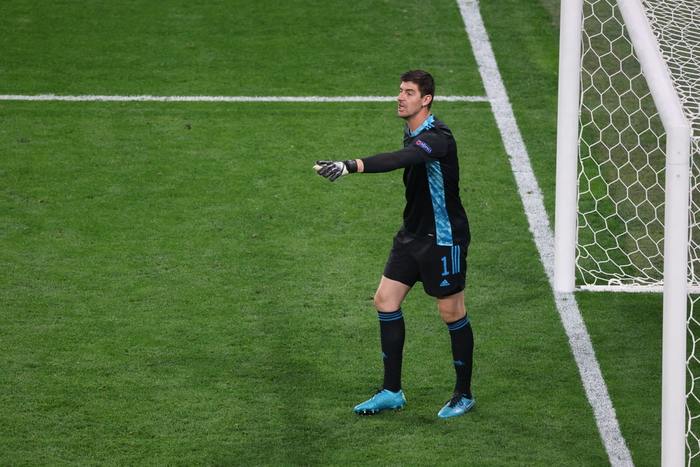
For many viewers, a goalkeeper’s job still seems to begin and end with saving shots, but in modern ดูบอลออนไลน์ฟรี changy they are also an extra defender, the first playmaker, and a key organiser of the defensive block. Once you start watching their positioning, decisions with the ball, and communication, you realise that they shape the team’s risk level, xG profile, and pressing success just as much as the centre-backs in front of them.
How Goalkeeper Positioning Controls Space Behind The Defence
A modern goalkeeper’s starting position when the ball is in the middle or attacking third is rarely on the goal line; instead, they hover higher, often near the edge of the box, to act as a “sweeper” behind a high defensive line. By holding this advanced spot, they can race out to intercept through balls, clear long passes in behind, and narrow the angle early in one‑v‑one situations, which allows their team to push the back four further up and compress play. If they stay too deep, the same high line becomes risky, because any accurate ball over the top forces defenders into footraces they might lose.
When you watch live, a simple cue is to glance at the keeper whenever your team has the ball near the opponent’s area. If they are 10–15 metres off their line and constantly adjusting with the defensive line, it signals a proactive approach that supports high pressing and aggressive field position. If they stand rooted close to the goal, the back line usually has to drop earlier, which can give the opposition more room to build attacks in midfield even if the team wants to press higher.
The Sweeper-Keeper’s Hidden Role In Defensive Tactics
The “sweeper-keeper” label is not just marketing; it describes a goalkeeper who reads long passes and counters early enough to become a spare defender in transition. By stepping out to collect or clear balls behind the line, they reduce the number of clean breakaways the team faces, which in turn lowers the quality of shots conceded and drags the opposition’s xG down over a season. This allows the defensive line to stay compact and high, knowing that there is coverage behind if the first press is beaten.
The trade‑off is risk: an over‑ambitious sweeper‑keeper can be caught in “no‑man’s‑land” if they misread the weight of a pass or clash with a defender, leaving an empty net for a simple finish. When you watch, it is worth tracking not only their successful interventions but also the near‑misses, because these show where the team’s risk tolerance sits; a side that accepts the occasional embarrassing concession might do so knowingly because the overall defensive numbers improve when the keeper plays aggressively.
How Goalkeepers Quietly Run The Defensive Line
Beyond individual actions, keepers are responsible for constantly adjusting the block in front of them—shouting when to squeeze up, when to drop, and who should pick up which runner on crosses and cutbacks. From their vantage point, they see gaps between centre‑backs, untracked midfield runners, and mismatches at the back post more clearly than anyone else, so their instructions shape where the line holds and how compact it remains. If they are passive, the back four can become stretched, leaving high‑quality shooting lanes even if everyone is technically in position.
During set pieces, the keeper’s organisation becomes even more important. They decide where to place the line, which zones to protect, and when to step forward to claim or punch deliveries, all of which affect whether the team is repeatedly conceding free headers from similar zones. Watching broadcasts with the sound low, you can still infer vocal keepers by defenders’ coordinated movements—stepping in unison on free kicks, collapsing together under high crosses—compared to teams where each player reacts individually and the box looks chaotic.
Why Build-Up Starts With The Goalkeeper’s Decisions
In possession, modern keepers are integral to how teams play out from the back. By joining the first line of build‑up, they can turn a back four into a temporary back three and create a 3v2 or 4v3 advantage against an opposition press, making it easier to find free midfielders or full‑backs. Their choice of pass—short to the centre‑back, clipped to the full‑back, driven into the pivot, or floated towards a target forward—determines whether the team can bypass the first line of pressure or gets stuck into risky short exchanges near the box.
Analytical work on goalkeeper distribution shows that their decisions can be evaluated with “expected threat” models, which measure how much danger a pass adds or removes from the team’s attacking prospects. Low, accurate passes that bypass pressing lines increase expected threat by moving the ball into more advanced or central zones safely, while hopeful clearances or misdirected long balls often lower it by simply ceding possession. When you watch, pay attention to how often a keeper’s first pass leads directly to penetration versus how often it forces hurried clearances two or three touches later.
Comparing Traditional And Modern Goalkeeper Profiles
Across leagues and teams, you can roughly group keepers into more traditional shot‑stoppers and more expansive, build‑up‑oriented profiles, and these differences show up clearly on match footage. Traditional keepers stay deeper, focus on positioning for saves, and favour longer, safer distribution, which can suit teams that defend deep and play directly, while modern “sweeper‑keepers” push higher, demand more passes, and accept more risk with the ball to help their teams control territory.
For viewers, this comparison helps explain why some managers insist on signing a “ball‑playing” goalkeeper even when their predecessor looked solid; the change is less about shot‑stopping and more about how the team wants to control games. Over a season, you will often see that a side’s pressing and possession structure only fully clicks once the goalkeeper profile matches the manager’s tactical idea.
How Goalkeepers Influence Shot Quality And xG Against
Shot‑stopping ability still matters, but it interacts with positioning and defensive structure to shape the quality of chances the team concedes. Analytical research and video work show that xG models now often incorporate goalkeeper position and pressure when estimating how likely a shot is to become a goal. A keeper who consistently narrows angles early, closes shooters quickly, and forces attempts from wider or more rushed situations can lower opponents’ xG even when the raw shot count stays similar.
Conversely, a passive goalkeeper who stays on the line or hesitates on crosses may allow cleaner, higher‑value chances, raising xG against and putting more strain on their own shot‑stopping to keep results afloat. When you rewatch highlights with xG charts in mind, notice how often big chances arise from poor starting positions—late reactions to through balls, dropped crosses, or indecision in one‑v‑ones—rather than from unstoppable strikes, because those are the sequences where keeper responsibility is subtle but decisive.
Why You See So Much More When You ดูบอลสด Instead Of Just Highlights
Most highlight packages show only the spectacular saves and obvious mistakes, which makes goalkeeping look like a binary position where players are either “heroes” or “villains.” When you ดูบอลสด across full ninety‑minute matches, you see the constant micro‑decisions that never make clips: small adjustments in starting position as the ball moves, quick shuffles to support build‑up angles, and quiet interventions sweeping up through balls before they become shots. Over time, you learn to link these actions to broader tactical patterns, like how a high defensive line only works because the keeper repeatedly covers long passes, or how calm short distribution under pressure allows midfielders to receive facing forward instead of back to goal.
Full‑match viewing also reveals how different keepers respond to game state: some become more aggressive with their starting position when chasing a goal, others slow down distribution when protecting a lead, turning each touch into a tool for managing tempo and territory. Once you are used to watching them as active tactical agents rather than static last lines, the position becomes one of the most interesting on the pitch, even when the ball is seventy metres away.
What To Watch Live If You Want To Judge A Goalkeeper Properly
Because so many of a goalkeeper’s real duties happen away from the camera’s main focus, it helps to build a simple checklist for evaluating them during live games. Instead of waiting for saves or errors, you can periodically scan their alignment with the defensive line, their decision‑making on crosses, and their passing choices under pressure to build a fuller picture of their performance. Doing this consistently turns goalkeeper watching into an active habit rather than a passive reaction to shots on target.
A practical live‑viewing checklist might be:
- Starting position: How far off the line do they stand relative to the ball and back line, and do they adjust smoothly as play moves.
- Sweeping actions: How quickly and decisively they deal with through balls and long passes behind the defence.
- Organisation and communication: Do set‑piece and defensive lines move together, suggesting clear instructions from behind.
- Build‑up choices: How often their first pass breaks a pressing line versus inviting immediate pressure back onto the team.
- Crosses and high balls: When they come, do they claim or punch cleanly, or stay rooted and leave defenders to scramble.
Over multiple matches, patterns will emerge: some keepers consistently give their team an extra defender and playmaker, while others contribute less outside classic shot‑stopping. That broader evaluation framework makes it easier to understand why coaches and analysts rate certain goalkeepers highly even if their highlight reels look quiet, because much of their value lies in the problems you never see the team have to solve in the first place.
Summary
The modern goalkeeper’s real job extends far beyond stopping shots: they manage the space behind a high line, organise the defensive block, start build‑up under pressure, and influence the quality and quantity of chances the team concedes. Their positioning, sweeping decisions, and distribution choices quietly shape pressing height, xG against, and how fluidly a side can play from the back, which is why managers are increasingly specific about the profile they need in goal. When you commit to watching full matches rather than only highlight saves, you begin to see goalkeepers as central tactical pieces whose success is measured as much by the problems that never arise as by the spectacular interventions that make the clips.
 In the digital age, footballers are no longer just athletes—they’re influencers, streamers, entrepreneurs, and brand builders. As the gaming industry continues to explode in popularity, many football stars are crossing into this parallel universe, merging their on-field fame with online dominance.