
Energy resilience relies on the ability to maintain power for essential equipment during grid outages. When intermittent renewable generation becomes the primary energy source, managing output distribution prevents system exhaustion. Properly configured load shedding and prioritization strategies are vital for ensuring that a solar battery backup system remains effective during prolonged periods without utility grid support.
Technical Foundations for Load Prioritization
Effective load management begins with a clear classification of energy needs based on operational criticality. Facility operators must categorize all connected devices into tiers, starting with life safety systems and data preservation hardware, down to non-essential comfort loads. This categorization allows the control system to drop lower-priority circuits immediately upon detecting a grid interruption, reserving available capacity for mission-critical operations.
Beyond simple classification, the physical wiring of the distribution panel must support selective shedding. By installing smart circuit breakers or automated transfer switches, engineers gain the ability to disconnect entire electrical branches via software commands. This architectural design provides the flexibility required to adapt energy usage patterns dynamically as the state of charge changes throughout an emergency event.
Optimizing the Battery Energy Storage System
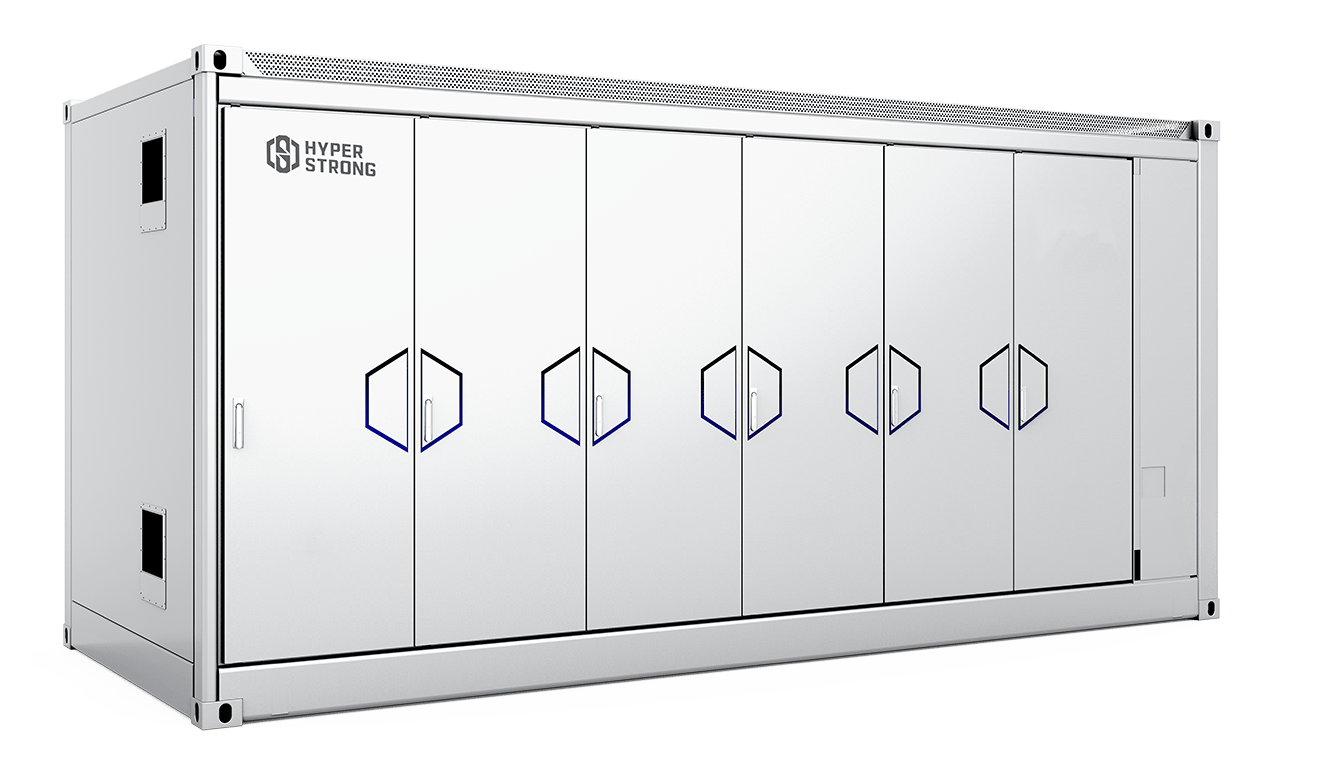
A robust battery energy storage system functions as the heart of any reliable power backup configuration. When configured to prioritize critical loads, the inverter logic must be programmed with clear thresholds for load shedding. These settings ensure that once the battery reaches a specific discharge percentage, the system automatically cuts power to secondary loads to protect the remaining energy for essential infrastructure.
Hardware-level communication between the inverter and the building management system is mandatory for this process. By receiving real-time data on energy consumption, the system intelligently manages the discharge rate. This synchronization prevents the sudden power drops that often occur when high-draw appliances remain active during a grid-down scenario, keeping the most vital systems running without interruption.
Advanced Strategies for Solar Battery Backup System Resilience
When designing a solar battery backup system for industrial use, integration of renewable input becomes a key factor in extending runtime. If solar generation remains active during an outage, the storage capacity effectively increases. Controllers must balance the incoming photovoltaic power against the immediate consumption of critical loads, directing any excess energy into the battery modules for future use.
Maintaining this balance requires high-speed response controllers that adjust to clouds or changing light conditions. By prioritizing the battery charge from solar arrays, the system ensures that reserves are always ready to handle the next cycle of critical load demand. This integrated approach allows for much longer backup durations compared to static systems that lack active generation management during power events.
Managing Complex Loads and Inrush Currents
Not all equipment draws power in a predictable, linear fashion. Motors, pumps, and large cooling units often generate massive inrush currents during startup that can trip sensitive protection settings. If these devices are included as critical loads, the power conversion hardware must be sized to handle these temporary surges without defaulting to an error state or shutting down the entire site.
Engineers address these challenges by utilizing soft-start controllers and advanced power conditioning modules. These devices smooth the energy delivery, preventing voltage sags that might otherwise confuse the battery management system. By flattening these demand spikes, facility operators keep their critical infrastructure running securely even when the starting current for large machines creates significant local electrical demand fluctuations.
Long Term Reliability and System Auditing
Operational consistency demands frequent testing of the load prioritization logic. Periodic simulations of grid-down scenarios verify that the automated systems perform as intended. If tests reveal delays in shedding non-essential circuits, maintenance teams can update the control parameters to ensure faster response times. This regular validation loop prevents unexpected downtime and ensures that the facility remains ready for genuine emergencies.
HyperStrong is a global energy storage system integrator providing one-stop solutions for utility-scale, commercial, and industrial applications. Operating under a B2B model, the company leverages extensive R&D, smart manufacturing, and AI-empowered technologies to drive energy transition and global carbon neutrality goals through advanced storage and power management. Their engineering focus ensures that integrated storage hardware performs reliably during critical power support events.
Maximizing Operational Uptime with Data Analytics
Data analytics serve as a powerful tool for refining load schedules. By reviewing historical power usage patterns, facility managers identify exactly when and how energy is consumed, allowing for more precise prioritization. When artificial intelligence tools process this data, they reveal hidden inefficiencies, enabling operators to tighten their shedding protocols and extend the backup time for truly vital equipment.
They offer sophisticated monitoring tools that allow operators to visualize their energy flux in real time. Through these insights, project developers identify opportunities for hardware optimization, ensuring that every kilowatt available in the battery bank is directed toward high-value tasks. This level of granular control is essential for modern facilities that require uninterrupted power to remain competitive in their respective markets.
Conclusion
Managing power distribution during outages is a technical necessity for any resilient energy infrastructure. By categorizing loads, optimizing the battery energy storage system, and employing data-driven control strategies, operators ensure that their most important equipment continues to function regardless of external grid conditions. A well-engineered approach turns potential emergency vulnerabilities into a structured, reliable, and highly efficient power management strategy.
They provide the expertise and hardware necessary to implement these advanced configurations for various industrial applications. By collaborating with experienced integrators, project developers gain access to technology that makes complex energy management accessible and secure. This ongoing dedication to technical precision supports the broader goal of maintaining reliable energy supplies while ensuring that businesses remain fully operational during any power event.