
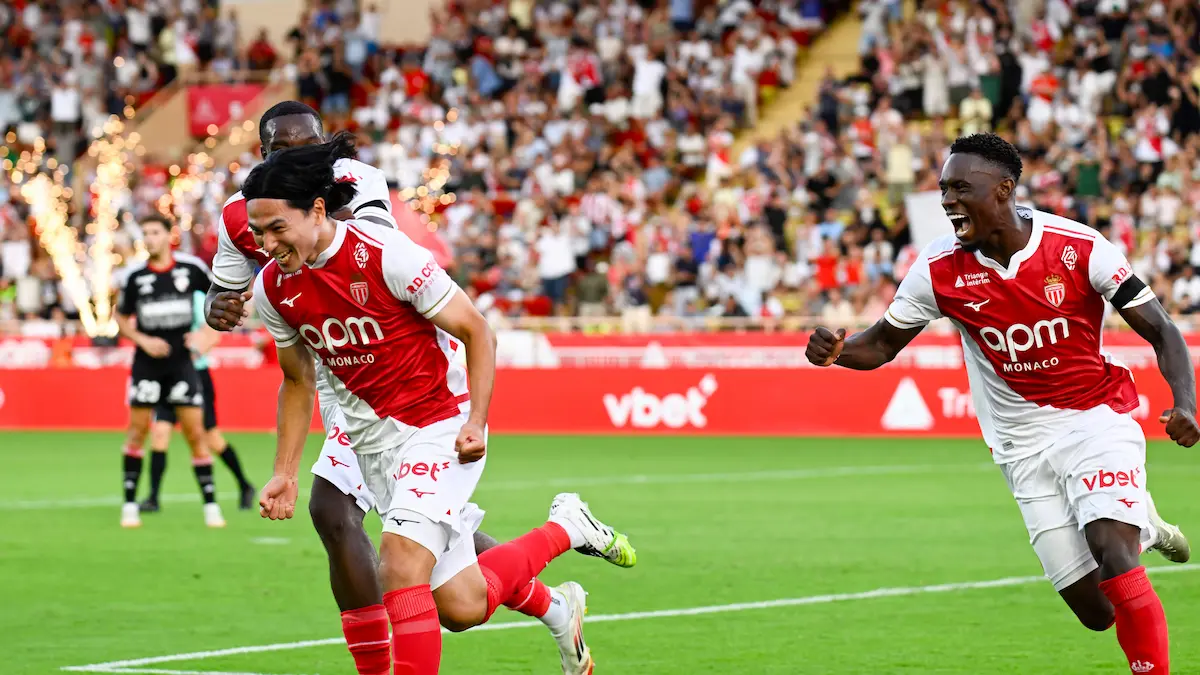
High-pressing teams in Ligue 1 influence match outcomes in ways that consistently affect total goal numbers. Aggressive pressing accelerates tempo, compresses space, and forces rapid decisions, increasing both scoring chances and defensive exposure. This article analyzes why certain Ligue 1 teams that press heavily are structurally more suitable for high-scoring bets, focusing on mechanisms, match behavior, and the limits of this approach.
Why High Pressing Changes Goal Probability in Ligue 1
High pressing alters the rhythm of a match by shifting play into advanced zones more frequently. When a team commits multiple players to press the ball high, turnovers occur closer to goal, reducing the number of passes required to create shooting opportunities. In Ligue 1, where technical consistency varies widely between teams, this pressure often forces errors that immediately translate into shots or set pieces.
At the same time, aggressive pressing stretches defensive lines. When the press is bypassed, large spaces open behind midfield, creating transition chances for the opponent. This dual effect explains why high-pressing matches rarely remain low tempo for long periods.
Structural Traits of Ligue 1 Teams That Press Aggressively
Not every team that presses intensely produces high-scoring games. The teams most relevant for high-score analysis share structural traits that sustain pressing beyond short bursts.
These traits commonly include:
- A compact midfield line that supports repeated pressing waves
- Fullbacks positioned high to lock play on one side
- Central defenders comfortable defending large spaces
When these elements align, pressing becomes continuous rather than situational, increasing the volume of chances for both sides over 90 minutes.
How Pressing Creates Chances for Both Teams
Pressing is inherently a high-risk, high-reward approach. While it increases attacking opportunities, it also exposes weaknesses if coordination drops.
Mechanism of Press-Induced Transitions
When pressing units step forward together, they compress the opponent’s buildup options. Successful presses lead to immediate shots or fouls near the box. Failed presses, however, leave defenders isolated against runners. This mechanism explains why high-pressing teams often appear in matches with frequent momentum swings rather than controlled possession phases.
Match Conditions That Amplify High-Press Goal Patterns
Certain match conditions strengthen the relationship between pressing and high scores. These conditions magnify the physical and tactical costs of aggressive play.
The most influential conditions include:
- Opponents committed to playing out from the back
- Matches with minimal rest between fixtures
- Games where early goals force continued intensity
When these factors are present, pressing effectiveness increases while defensive stability decreases, raising total goal potential.
Comparing High-Pressing Teams to Mid-Block Teams
The difference between high-pressing and mid-block teams becomes clear when comparing chance profiles rather than results alone. The table below outlines typical contrasts.
| Tactical Profile | Tempo | Transition Frequency | Goal Volatility |
| High pressing | High | Frequent | High |
| Mid-block | Medium | Controlled | Moderate |
| Low block | Low | Rare | Low |
This comparison highlights why pressing teams are more suitable for high-scoring bets, even when overall team quality is similar.
Using Pressing Indicators in Analytical Platforms
Evaluating pressing intensity requires more than watching highlight clips. In analytical environments such as UFABET, pressing-related indicators can be interpreted alongside shot volume, defensive actions, and market totals within a single digital framework. Inside this type of web-based system, analysts can observe whether teams consistently recover possession in advanced zones and whether those recoveries correlate with rising goal lines. When pressing metrics align with increasing total-goal expectations across related markets, it indicates that the match structure supports higher scoring rather than isolated incidents. This contextual integration helps avoid misjudging pressing as effort alone instead of a repeatable tactical driver.
When High Pressing Does Not Lead to High Scores
High pressing does not guarantee high totals in every scenario. Some teams press aggressively but lack finishing efficiency or creativity once possession is regained. Others manage pressing phases selectively, reducing exposure once a lead is established.
Situations that weaken the effect include:
- Opponents bypassing pressure with direct play
- Early red cards that disrupt structure
- Tactical shifts toward protection after scoring
Recognizing these limits prevents overgeneralization and improves analytical accuracy.
Risks of Overreliance on Pressing-Based Analysis
Pressing intensity can fluctuate due to fatigue, squad rotation, or weather conditions. Additionally, teams may change pressing triggers depending on the opponent, reducing predictability. Without accounting for these variables, pressing-based assumptions may overestimate scoring potential.
High-press analysis should therefore be combined with contextual and structural checks rather than used in isolation.
Summary
Ligue 1 teams that press aggressively create match environments characterized by high tempo, frequent transitions, and increased defensive exposure. These conditions naturally raise the probability of higher-scoring outcomes, making such teams suitable candidates for high-score analysis. However, pressing effectiveness depends on structure, opponent behavior, and match context. When these elements align, high pressing becomes a reliable indicator of goal-rich matches rather than a stylistic label.